

2026 Honda Pilot vs 2026 Toyota Highlander: Which SUV Fits North Vancouver Families?
October 19 2026,
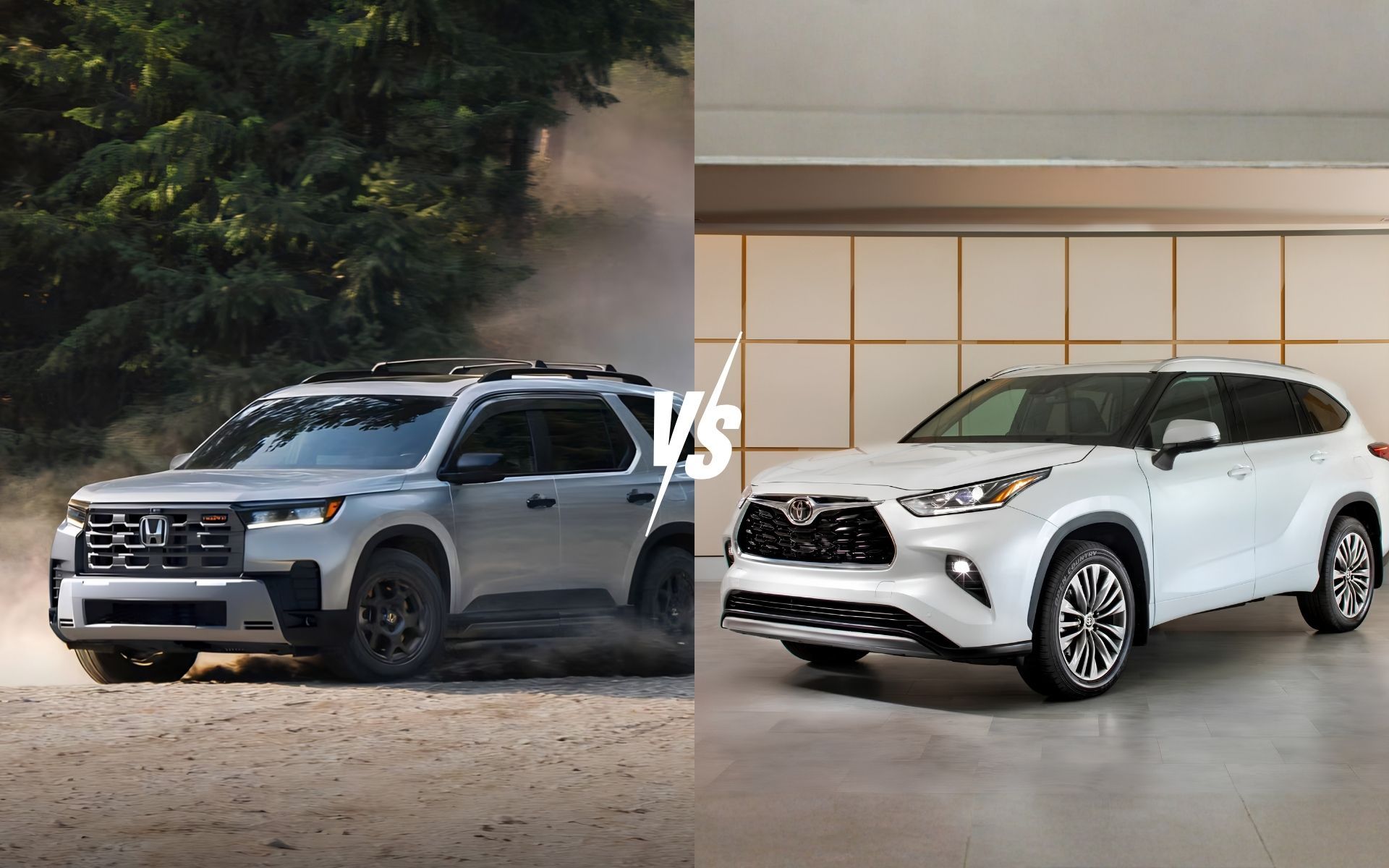
For families in North Vancouver, a three-row SUV needs to do more than carry passengers. It should provide comfortable seating, useful cargo space, confident performance and technology that makes everyday driving easier. It also needs to be ready for changing British Columbia road conditions, whether you're commuting through North Vancouver or heading toward Whistler, the Sea-to-Sky Highway or other weekend destinations.
The 2026 Honda Pilot and 2026 Toyota Highlander are two established choices in this segment. Both offer three rows, all-wheel-drive configurations and modern driver-assistance technology, but their powertrains and efficiency options are different.
The Pilot uses a 3.5-litre V6 with 285 horsepower, while the Highlander offers a 2.4-litre turbocharged four-cylinder with up to 265 horsepower or a 2.5-litre hybrid system producing 243 horsepower.
2026 Honda Pilot vs 2026 Toyota Highlander: Quick Comparison
|
Feature |
2026 Honda Pilot |
2026 Toyota Highlander |
|
Standard engine |
3.5-litre V6 |
2.4-litre turbo four-cylinder |
|
Horsepower |
285 hp |
265 hp |
|
Seating |
Up to 8 |
Up to 8 |
|
AWD |
Standard |
Standard |
|
Transmission |
10-speed automatic |
8-speed automatic |
|
Max towing |
2,268 kg / 5,000 lb |
2,268 kg / 5,000 lb |
|
Hybrid option |
Not available |
Available, 243 hp |
|
Hybrid fuel economy |
— |
6.7 L/100 km combined |
Performance and Powertrain
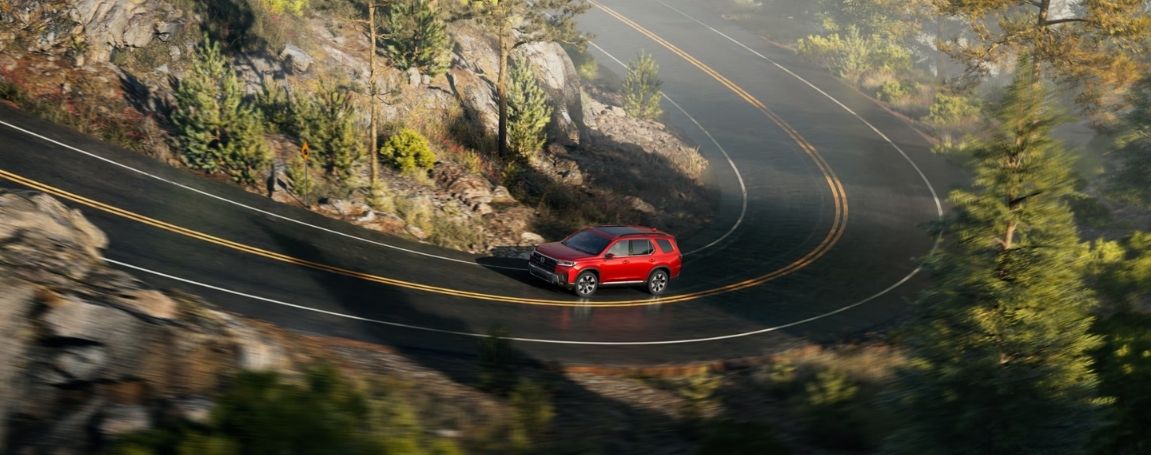
The 2026 Honda Pilot is powered by a 3.5-litre V6 producing 285 horsepower and up to 262 lb-ft of torque. It works with a 10-speed automatic transmission and Honda's i-VTM4 all-wheel-drive system. Honda also offers several drive modes, including Normal, ECON, Snow, Sport and Tow, with Trail and Sand modes available on applicable configurations.
For North Vancouver drivers, that combination can be useful when everyday city driving is followed by a mountain trip or when road conditions change. The Pilot's V6 also gives it substantial towing capability, with a maximum rating of 2,268 kg (5,000 lb) when properly equipped.
The 2026 Highlander takes a different approach. Its gas models use a 2.4-litre turbocharged four-cylinder engine, producing up to 265 horsepower and up to 229 lb-ft of torque, paired with an eight-speed automatic transmission. Toyota also offers the Highlander Hybrid, which combines a 2.5-litre four-cylinder engine with electric motors for 243 total system horsepower.
This gives shoppers two distinct powertrain approaches: the Pilot focuses on V6 power, while the Highlander provides both turbocharged gasoline and hybrid options.
AWD and North Vancouver Driving
All-wheel drive is an important consideration for drivers who regularly travel beyond the city.
The Pilot's i-VTM4 AWD system is standard across the Canadian lineup, and its available drive modes allow the vehicle's systems to adjust for different conditions. Honda also equips the Pilot with features such as a front wiper de-icer, which can be useful during colder weather.
The gas Highlander also comes with AWD, with different AWD systems depending on trim. The XLE uses Dynamic Torque AWD, while higher grades such as the XSE and Limited use Dynamic Torque Vectoring AWD. The Highlander Hybrid uses an electronic on-demand AWD system with a separate rear electric motor.
For drivers heading from North Vancouver toward the mountains, AWD can provide additional traction when conditions become challenging. However, appropriate tires and attentive driving remain essential, particularly on winter routes.
Fuel Economy and Hybrid Options
Fuel efficiency is one of the clearest differences between these two SUVs.
The 2026 Pilot's Canadian fuel-consumption ratings range from 11.0 to 11.8 L/100 km combined, depending on trim. Honda also provides ECON mode and idle-stop technology to help manage fuel use during everyday driving.
The Highlander offers an additional option for drivers who want to prioritize fuel efficiency. Toyota's 2026 Highlander Hybrid produces 243 total system horsepower and is rated at approximately 6.7 L/100 km combined, depending on configuration. The hybrid also offers a towing capacity of up to 1,588 kg (3,500 lb).
This makes the powertrain decision particularly relevant for North Vancouver families. Drivers who frequently tow or prioritize V6 performance may look closely at the Pilot, while those interested in a hybrid three-row SUV have that option with the Highlander.
Interior Space and Family Practicality
Both models are designed around three-row practicality.
The Pilot can accommodate up to eight passengers, depending on configuration. Honda highlights its flat-folding second- and third-row seats, available removable second-row middle seat and flexible cargo area. This allows the interior to be configured for passengers, groceries, sports equipment or larger items.
The Highlander is also available with seven- or eight-passenger seating. Seven-passenger models use second-row captain's chairs, while eight-passenger configurations use a second-row bench. Toyota lists up to approximately 2,387 litres of cargo space behind the first row.
For families who regularly carry children, friends or outdoor equipment, both SUVs provide useful flexibility. The choice can come down to seating configuration, cargo needs and the features offered on the trim you're considering.
Technology and Safety
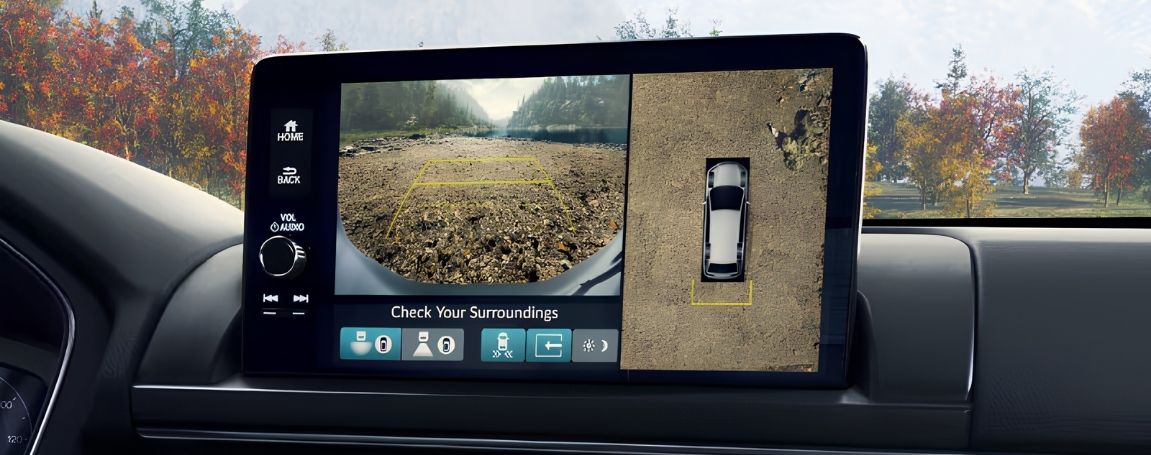
The Pilot comes equipped with a range of driver-assistance technologies through Honda Sensing. Depending on trim, features can include Collision Mitigation Braking, Adaptive Cruise Control, Lane Keeping Assist and other systems designed to support the driver during everyday travel.
The Highlander uses Toyota Safety Sense 2.5+, along with features such as Blind Spot Monitoring and Rear Cross Traffic Alert. Toyota's multimedia system also provides wireless Apple CarPlay and Android Auto, with larger displays available on higher trims.
Both SUVs therefore provide technology aimed at making commuting, family trips and longer highway drives more convenient.
Which SUV Fits Your North Vancouver Lifestyle?
The 2026 Honda Pilot and 2026 Toyota Highlander share several important qualities, including three-row seating, AWD capability and modern safety technology, but their powertrain strategies differ.
The Pilot uses a 3.5-litre V6, standard AWD and a 10-speed automatic transmission, with up to 5,000 lb of towing capacity. It can be a practical choice for families who prioritize traditional V6 performance, flexible seating and towing capability.
The Highlander offers a 2.4-litre turbocharged gas engine as well as a hybrid powertrain. Its hybrid option provides an alternative for drivers who want three-row utility with significantly lower published fuel consumption.
Your passenger requirements, driving habits, towing needs and interest in hybrid efficiency can help determine which SUV configuration makes the most sense for your North Vancouver lifestyle.
Explore the 2026 Honda Pilot at North Shore Honda
Ready to see how the 2026 Honda Pilot fits your family? Visit North Shore Honda at 816 Automall Drive in North Vancouver to explore the latest Pilot models and available configurations.
Take a closer look at the Pilot's three-row interior, V6 performance, standard AWD and family-focused features. The North Shore Honda team can help you compare available trims and arrange a test drive.
Visit North Shore Honda in North Vancouver today to experience the 2026 Honda Pilot for yourself.

